
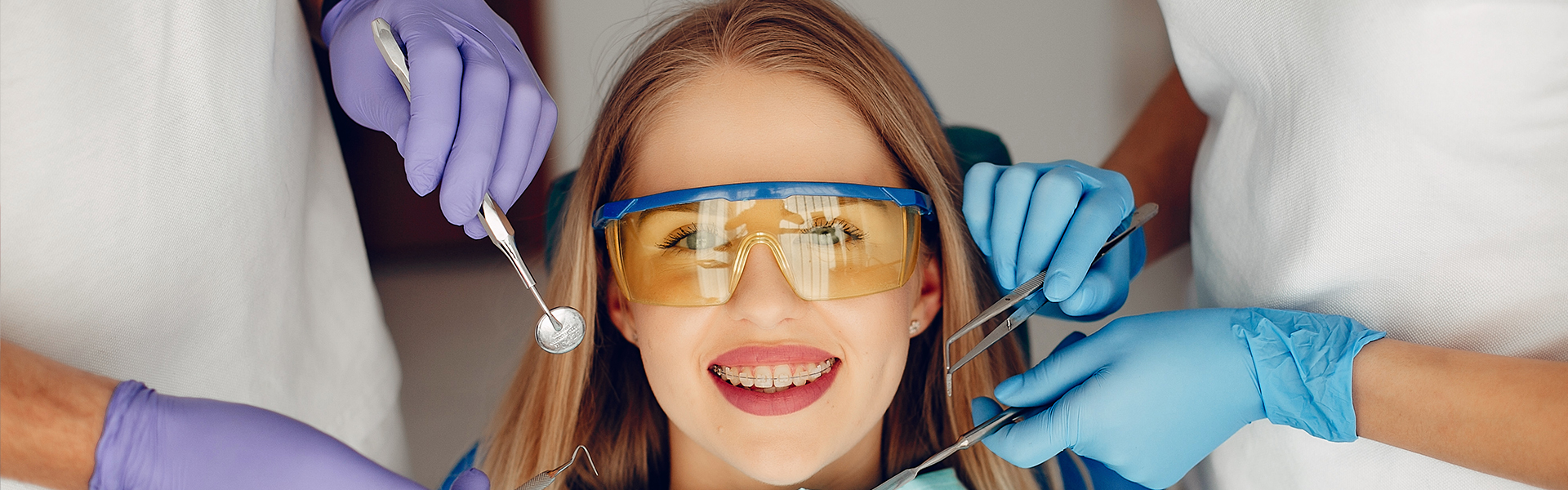

Braces are an effective way to correct the alignment issues, improve bite function, and support long-term oral health. However, wearing braces also requires extra attention to daily oral hygiene. Brackets and wires create additional spaces where food particles and plaque can accumulate, increasing the risk of tooth decay and gum diseases if not managed properly.
Patients undergoing orthodontic care in Smyrna often notice that their regular brushing routine needs adjustment once braces are placed. With the right techniques and habits, it is possible to maintain healthy teeth throughout treatment and achieve better results once the braces are removed.
Why Oral Care Is More Important with Braces
Braces introduce small components that make cleaning more complex. Food can easily become trapped around brackets and under wires, creating an environment where bacteria thrive.
Plaque buildup around these areas can lead to enamel damage, white spots on teeth, or gum inflammation. If not addressed early, these issues may affect the final outcome of orthodontic treatment.
Visiting a dentist in Smyrna regularly during orthodontic care helps track these changes and ensure that both teeth and gums remain healthy throughout the process.
Brushing Techniques for Braces
Brushing with braces requires more precision than standard brushing. It is important to clean both the tooth surface and the areas around the brackets.
Angle Matters
Hold your toothbrush at a slight angle to reach the area above and below each bracket. This helps remove plaque that collects along the gumline and around orthodontic components.
Take Your Time
Brushing should take longer than usual. Each section of the mouth should be cleaned thoroughly to ensure no areas are missed.
Use the Right Tools
A soft-bristled toothbrush or an electric toothbrush may help clean effectively without damaging brackets or wires. Interdental brushes may also be useful for reaching smaller spaces.
Patients searching for a dentist near me are often guided on proper brushing techniques during orthodontic visits to maintain optimal oral hygiene.
Flossing with Braces
Flossing becomes more challenging with braces, but it remains an essential part of oral care.
Using Floss Threaders
Floss threaders allow the floss to pass under the wire, making it easier to clean between teeth.
Alternative Options
Water flossers can be helpful for removing debris in hard-to-reach areas. While they do not fully replace traditional flossing, they can improve overall cleanliness.
Consistency Is Key
Flossing daily helps prevent gum inflammation and reduces the risk of plaque buildup between teeth.
Foods to Avoid While Wearing Braces
Diet plays an important role in maintaining braces and protecting teeth.
Hard Foods
Foods such as nuts, ice, and hard candies can damage brackets or bend wires.
Sticky Foods
Caramel, chewing gum, and similar foods can stick to braces and are difficult to clean, increasing the risk of decay.
Sugary Foods and Drinks
Frequent sugar exposure promotes plaque formation, which can lead to cavities around brackets.
Maintaining a balanced diet supports both oral health and the effectiveness of orthodontic treatment.
Managing Discomfort and Sensitivity
It is common to experience mild discomfort after braces are adjusted. This usually subsides within a few days.
Soft Food Choices
Eating softer foods can reduce pressure on teeth during this period.
Orthodontic Wax
Wax can be applied to brackets to lessen irritation caused by friction against the cheeks or lips.
Maintaining Hygiene
Keeping the mouth clean during sensitive periods is important, as inflammation can increase discomfort.
The Role of Regular Dental Visits
Routine dental visits are essential during orthodontic treatment. These appointments allow professionals to monitor oral health and identify issues early.
A dentist in Smyrna may check for:
- Early signs of cavities
- Gum inflammation
- Plaque buildup around brackets
- Areas that require improved cleaning
Professional cleanings also help remove buildup that cannot be addressed with home care alone.
Preventing Common Issues with Braces
Proper care helps lessen the risk of complications during treatment.
White Spot Lesions
These are early signs of enamel damage caused by plaque accumulation. Consistent brushing and fluoride use help prevent them.
Gum Inflammation
Poor cleaning can lead to swollen or bleeding gums. Regular flossing and proper brushing reduce this risk.
Bracket Damage
Avoiding hard or sticky foods helps prevent broken brackets, which can delay treatment progress.
Oral Health and Overall Well-Being
Oral hygiene during orthodontic treatment is not only about maintaining teeth. It also contributes to overall health.
Conditions such as gum inflammation can affect the body’s response to bacteria, highlighting the importance of proper oral care. While unrelated conditions like sleep apnea in Smyrna involve airway concerns, both demonstrate how oral structures influence broader health functions.
Maintaining good hygiene habits during orthodontic treatment supports long-term oral and overall health.
Developing Long-Term Habits
Braces provide an opportunity to build strong oral hygiene habits that continue after treatment is complete.
Consistency in Routine
Brushing and flossing regularly becomes easier over time with practice.
Awareness of Diet
Understanding how food choices affect oral health helps maintain results after braces are removed.
Follow-Up Care
After orthodontic treatment, retainers and continued dental visits help preserve alignment and prevent future issues.
When to Contact Your Dentist or Orthodontist
While most issues with braces can be managed at home, certain situations require professional attention:
- Broken or loose brackets
- Persistent pain that does not improve
- Signs of infection or swelling
- Difficulty cleaning specific areas
Seeking timely care helps prevent complications and ensures that treatment stays on track.
Maintaining a Healthy Smile During Orthodontic Treatment
Caring for your teeth with braces requires patience and consistency. By following proper hygiene practices, attending regular dental visits, and making mindful dietary choices, you can protect your teeth and gums throughout treatment.
Lifestyle Dentistry supports patients through every stage of orthodontic care by providing guidance and monitoring oral health. Whether you are starting treatment or adjusting to life with braces, maintaining good habits plays a key role in achieving a healthy and balanced smile.
Take the Next Step Toward Better Oral Health
If you are presently undergoing orthodontic treatment or planning to begin, understanding how to care for your teeth is essential for long-term success.
Consulting a trusted dentist in Smyrna can help you develop an effective care routine and address any concerns during treatment.
With proper care, braces can lead to improved alignment, better function, and a confident smile that lasts well beyond the treatment period.